
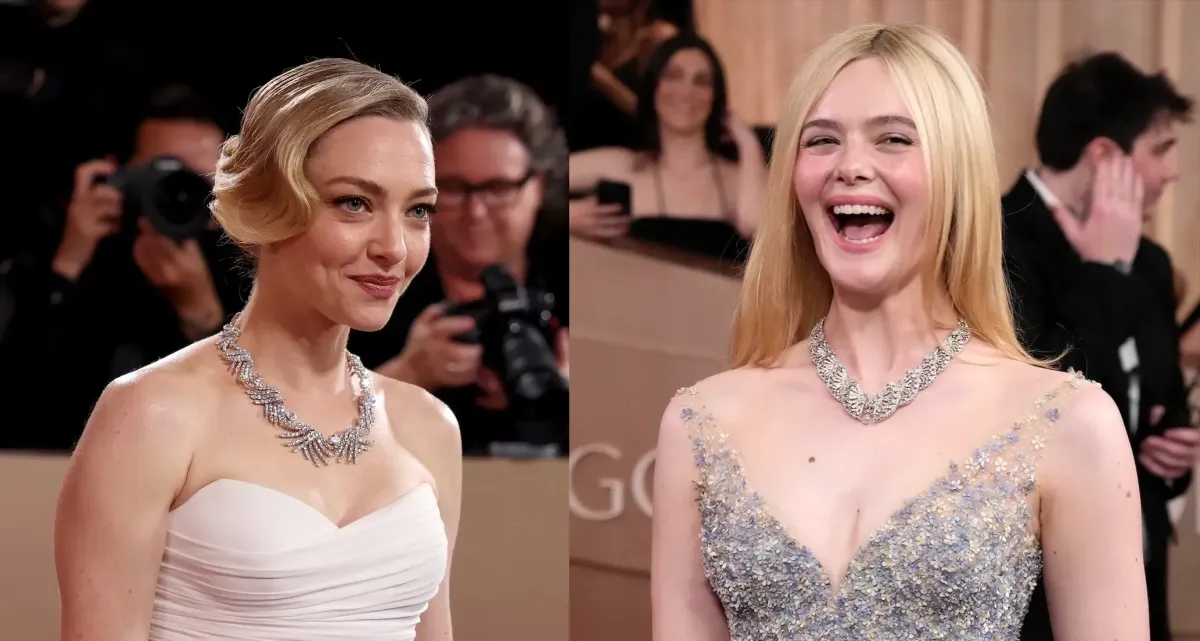
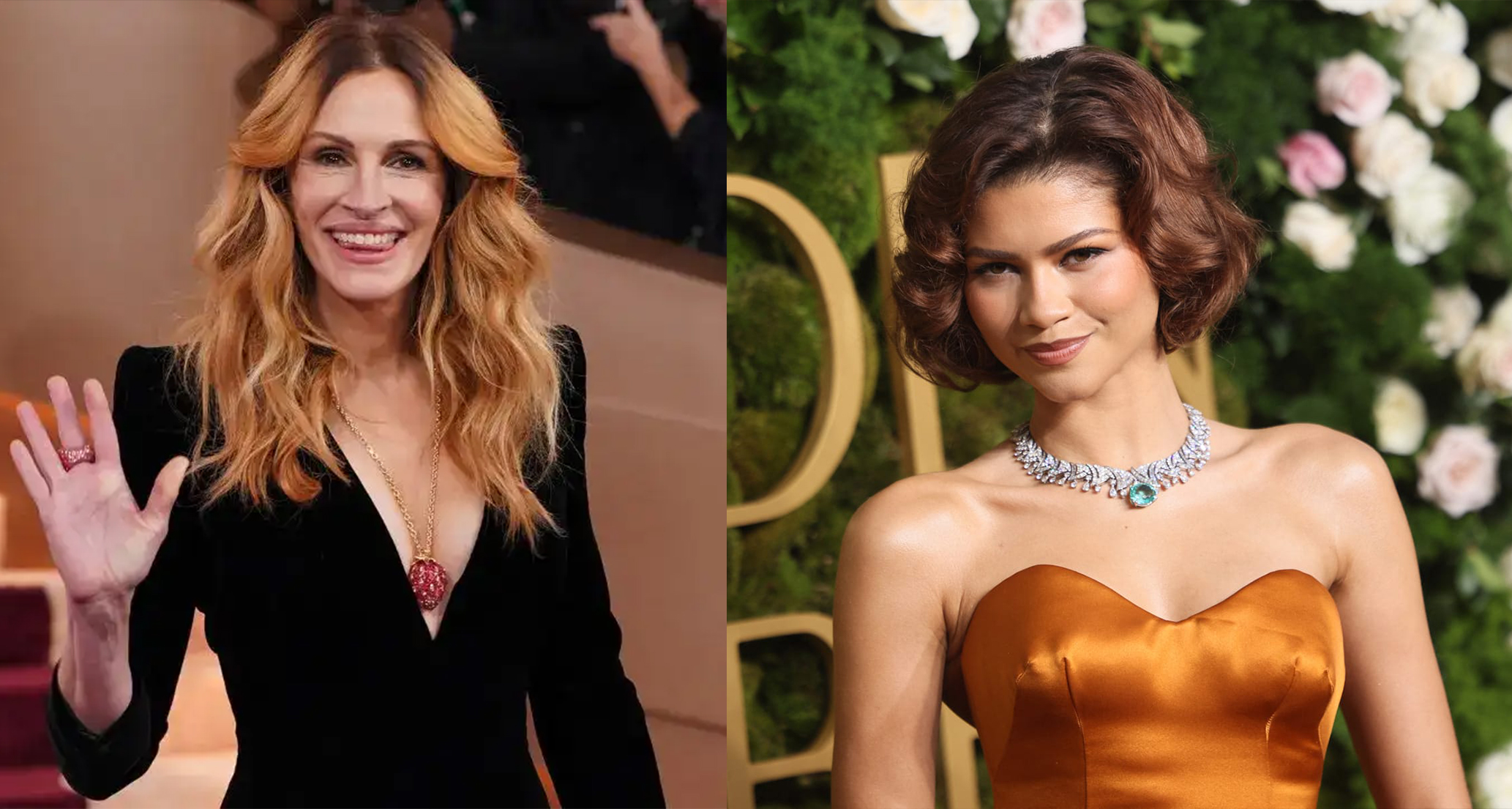
1. Necklaces took back the spotlight
The necklace was the power piece again: centre-of-chest diamonds, sculptural collars, and high-carat focal stones. Many looks were built around one dominant necklace instead of a matched set.
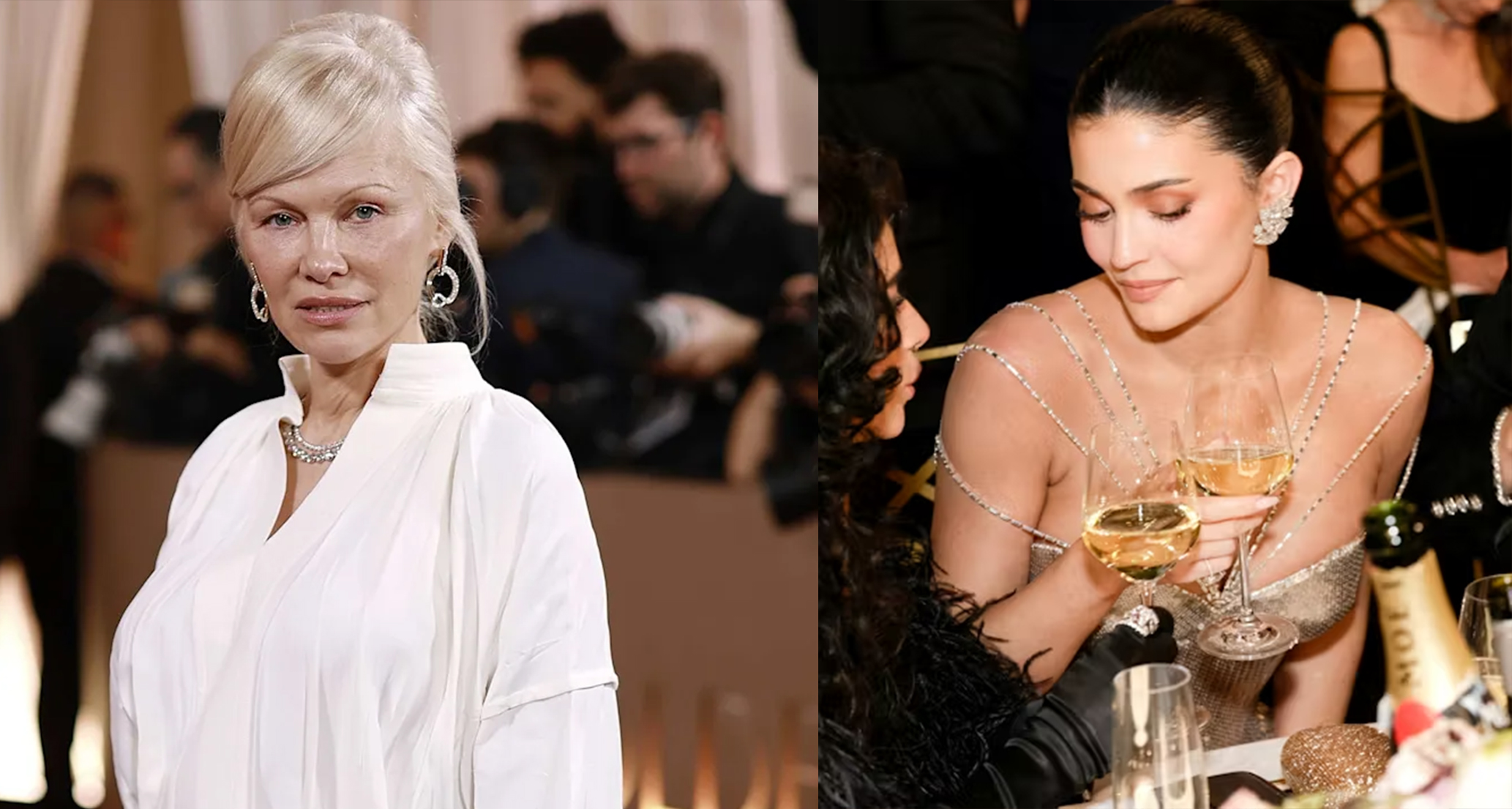
2. Diamonds dominated, but styling split into two lanes
Diamonds ruled broadly, yet styling separated into two clear, sellable directions: clean refined minimalism, and maximum impact with multi-row diamonds, big centre stones, and statement scale.
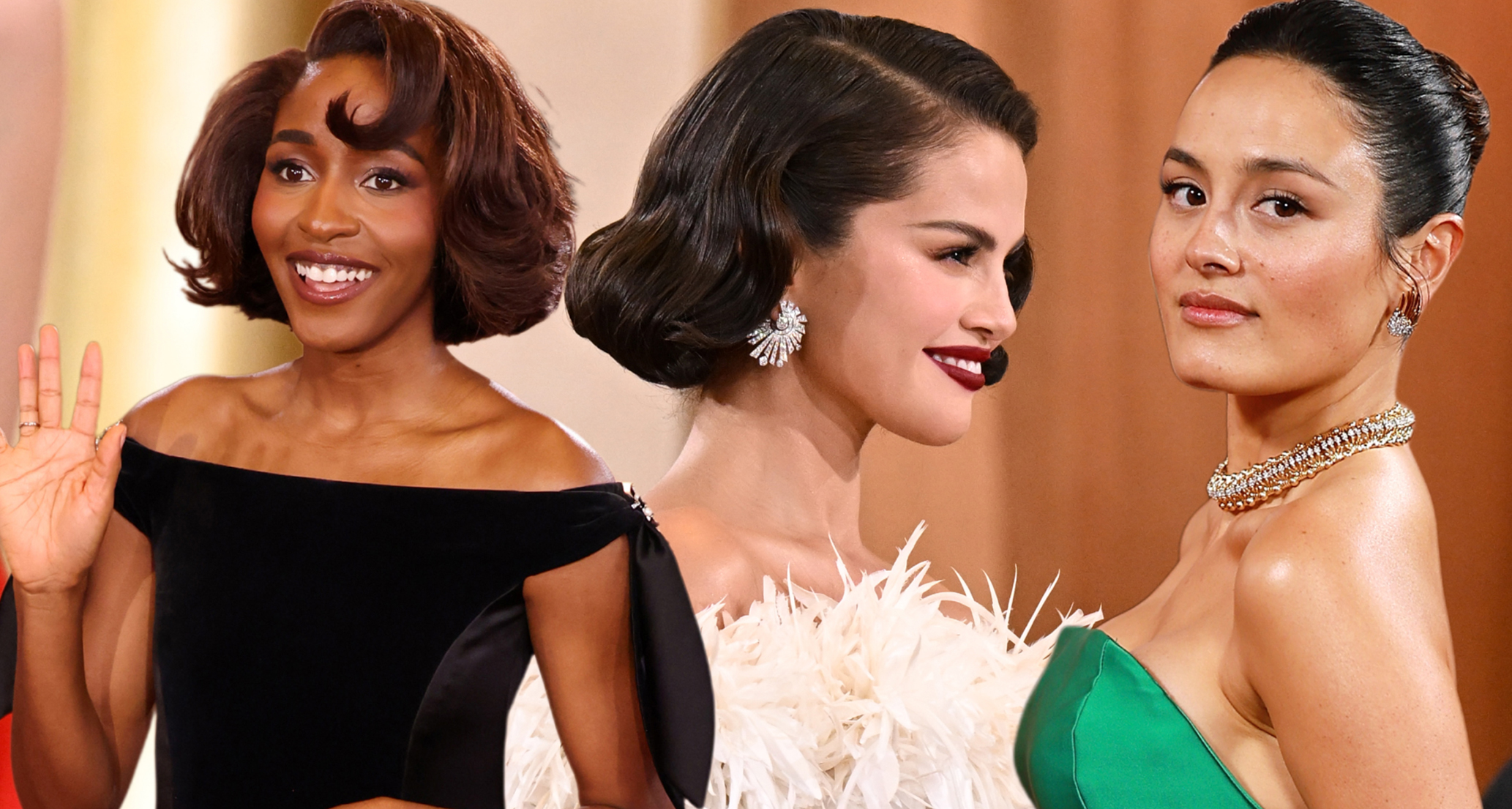
3. Archival and vintage became the new flex
Beyond new high jewellery, provenance mattered. Archival selections and vintage-inspired silhouettes signalled taste, rarity, and story: jewellery with a narrative, not just a price tag.
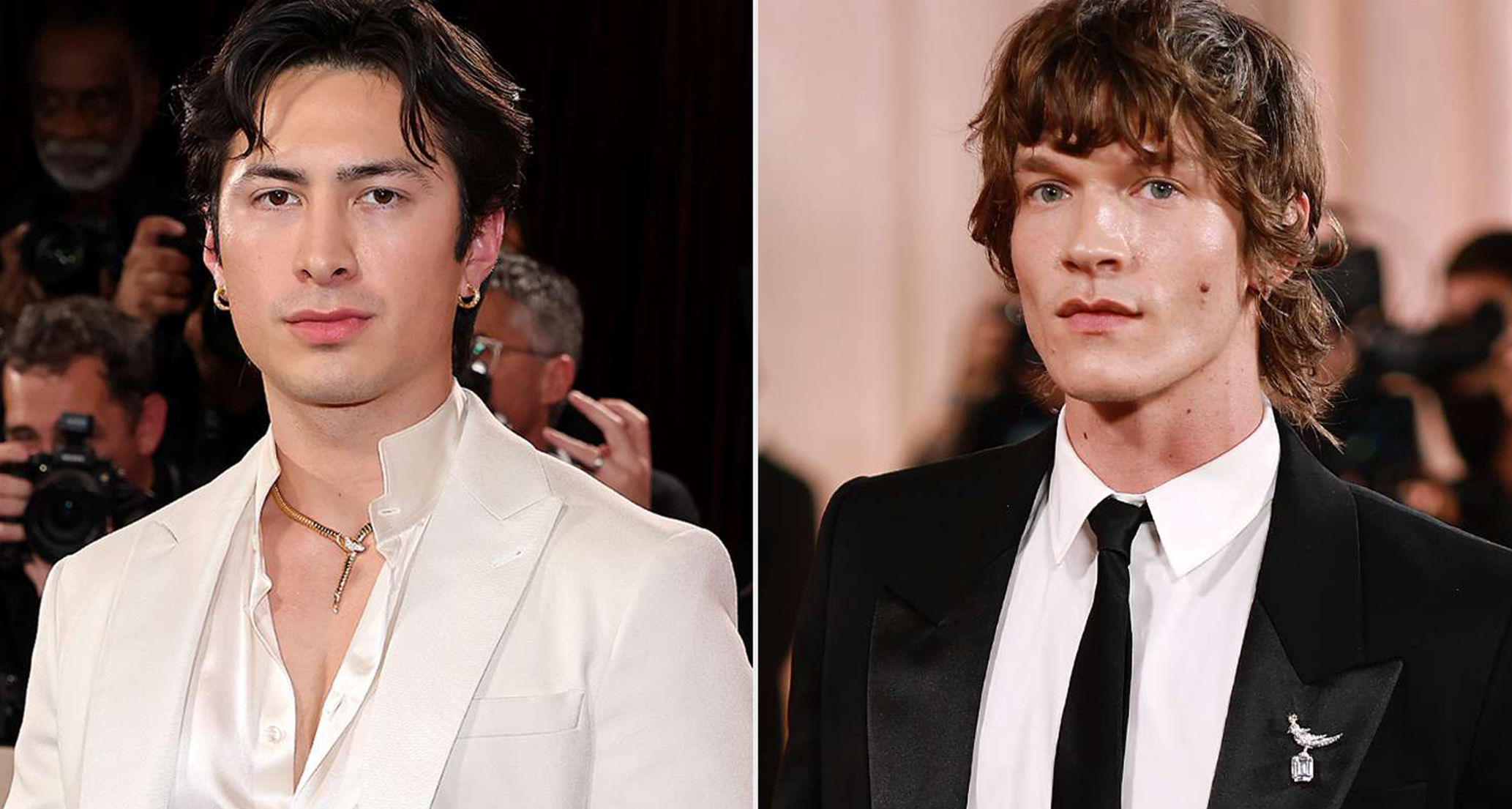
4. Men’s jewellery moved from nice touch to main character
Men’s styling leaned into brooches and pins, paired with serious watches and occasional diamond-forward moments. This trend is practical for retail because it is easy to merchandise and easy to upsell.
5. Colour popped strategically
While diamonds were the base language, coloured stones acted as punctuation, especially emerald accents and warm yellow diamond moments that read strongly on camera.
6. Hair jewellery quietly returned
Jewellery moved into hair again, with pins used as styled detail rather than novelty. It is an easy trend to translate at accessible price points, especially for bridal and event dressing.
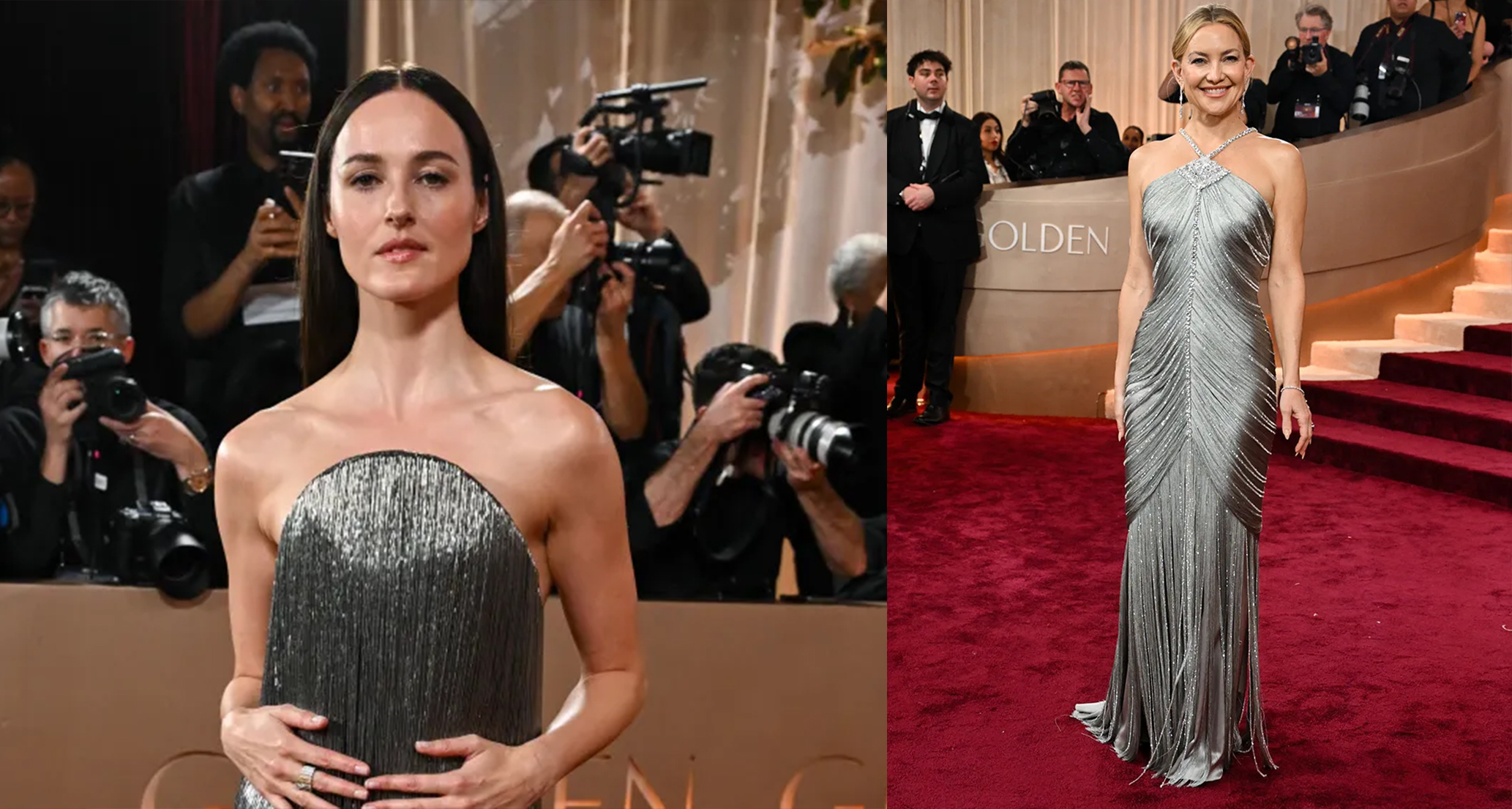
7. Silver-toned looks helped icy metal choices win
The overall silver fashion mood supported white metals and icy diamond styling, giving platinum and white gold a stronger visual moment.